Perching stools
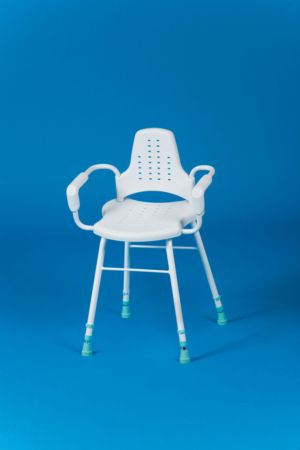
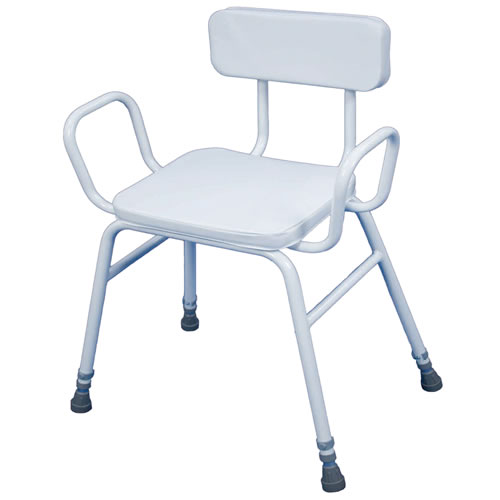
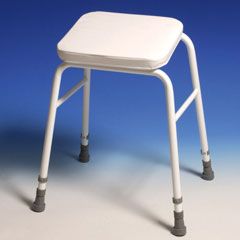
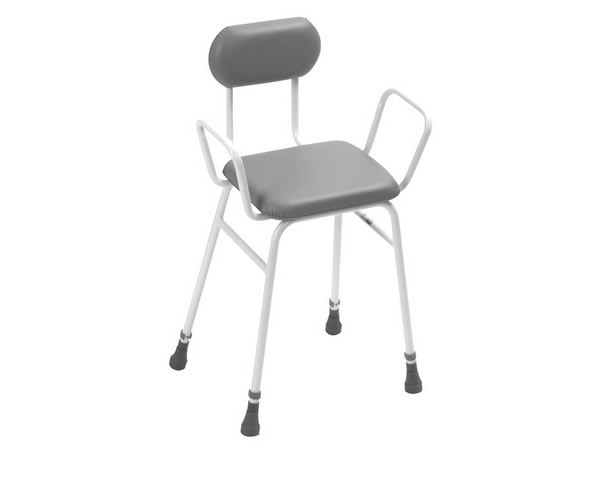
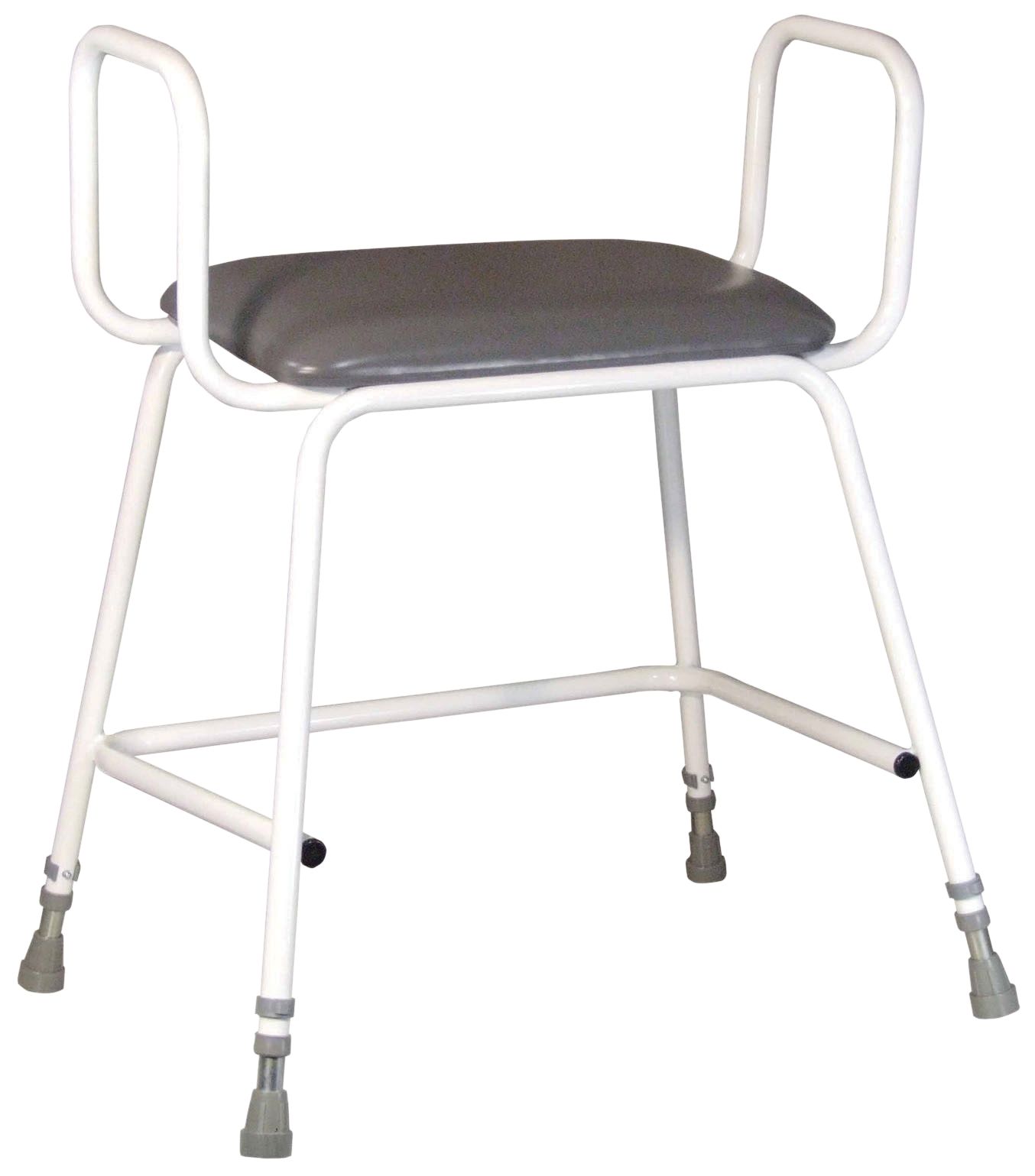
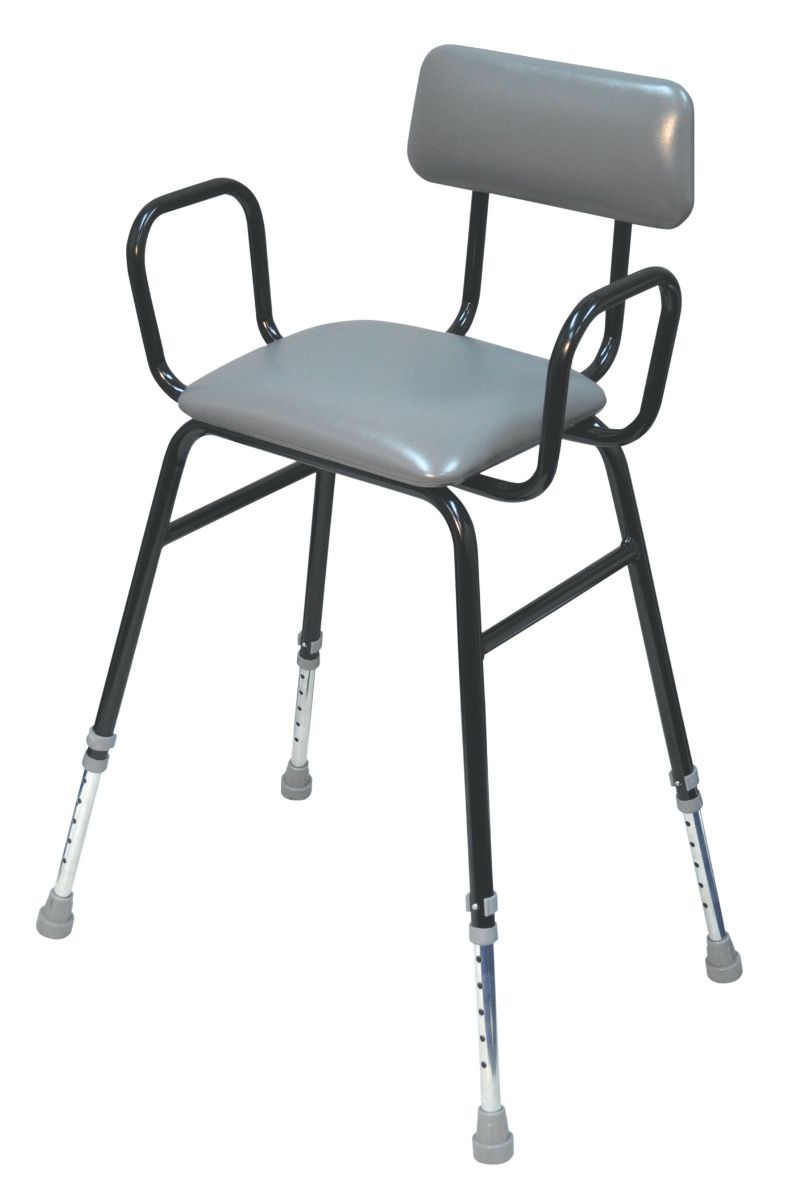
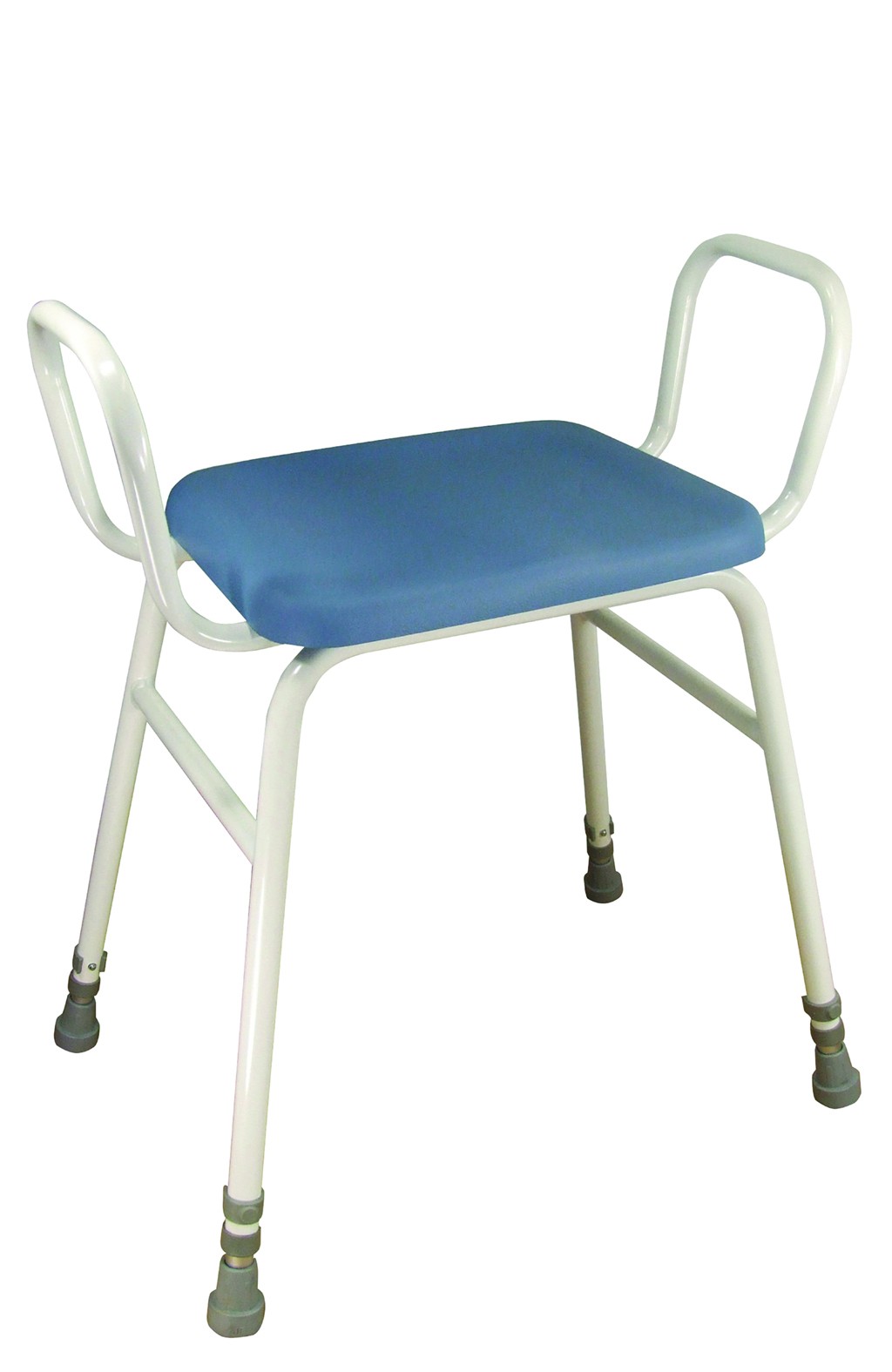
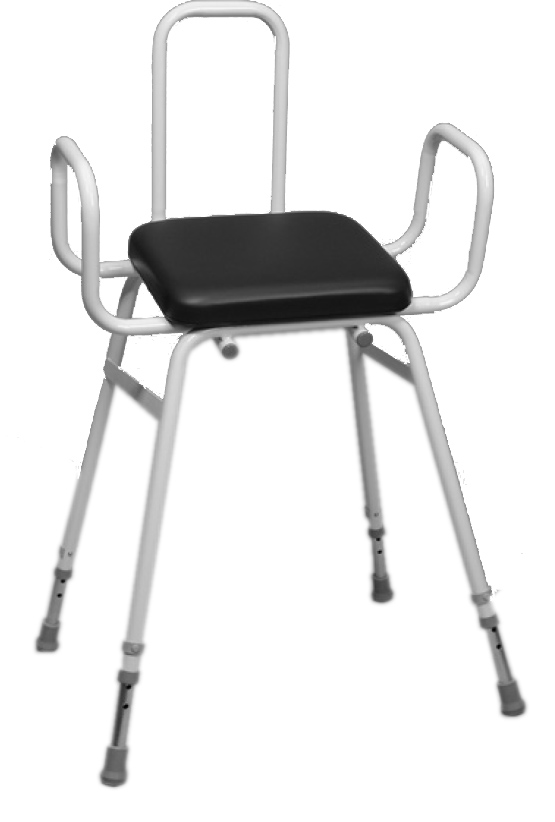
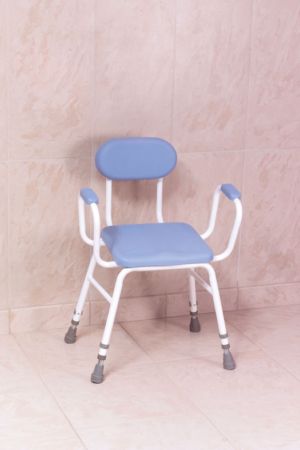
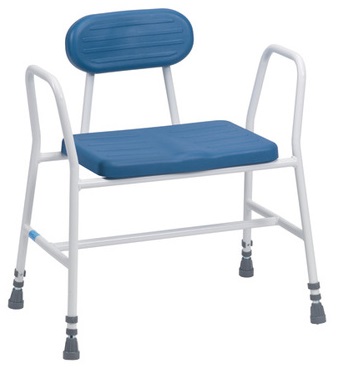
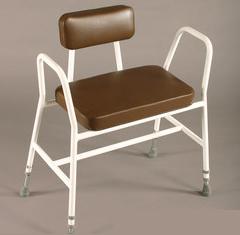
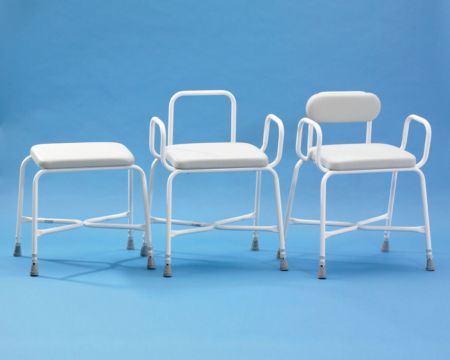
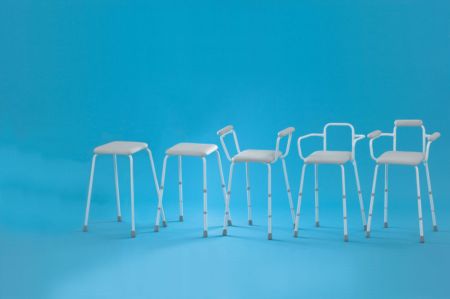
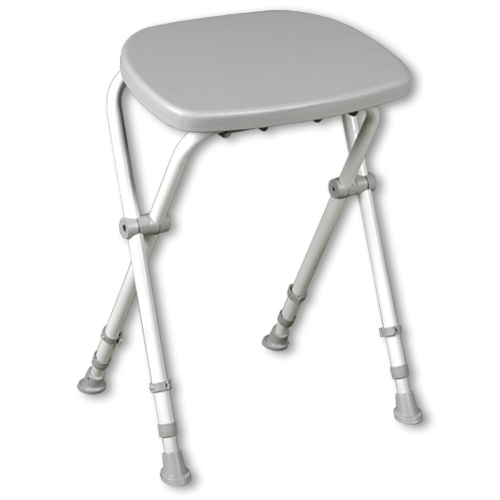
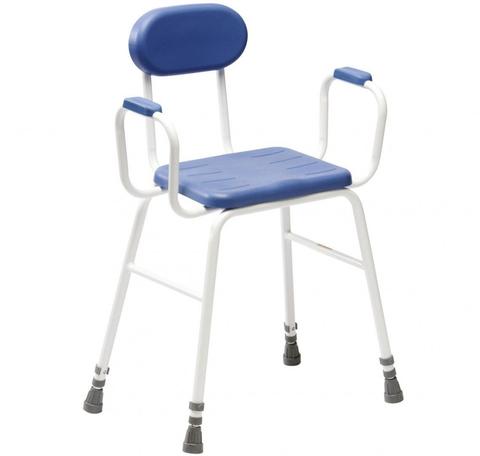
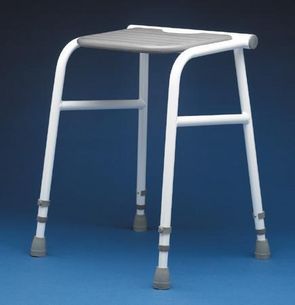
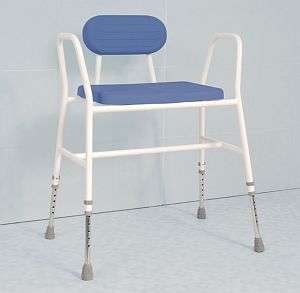
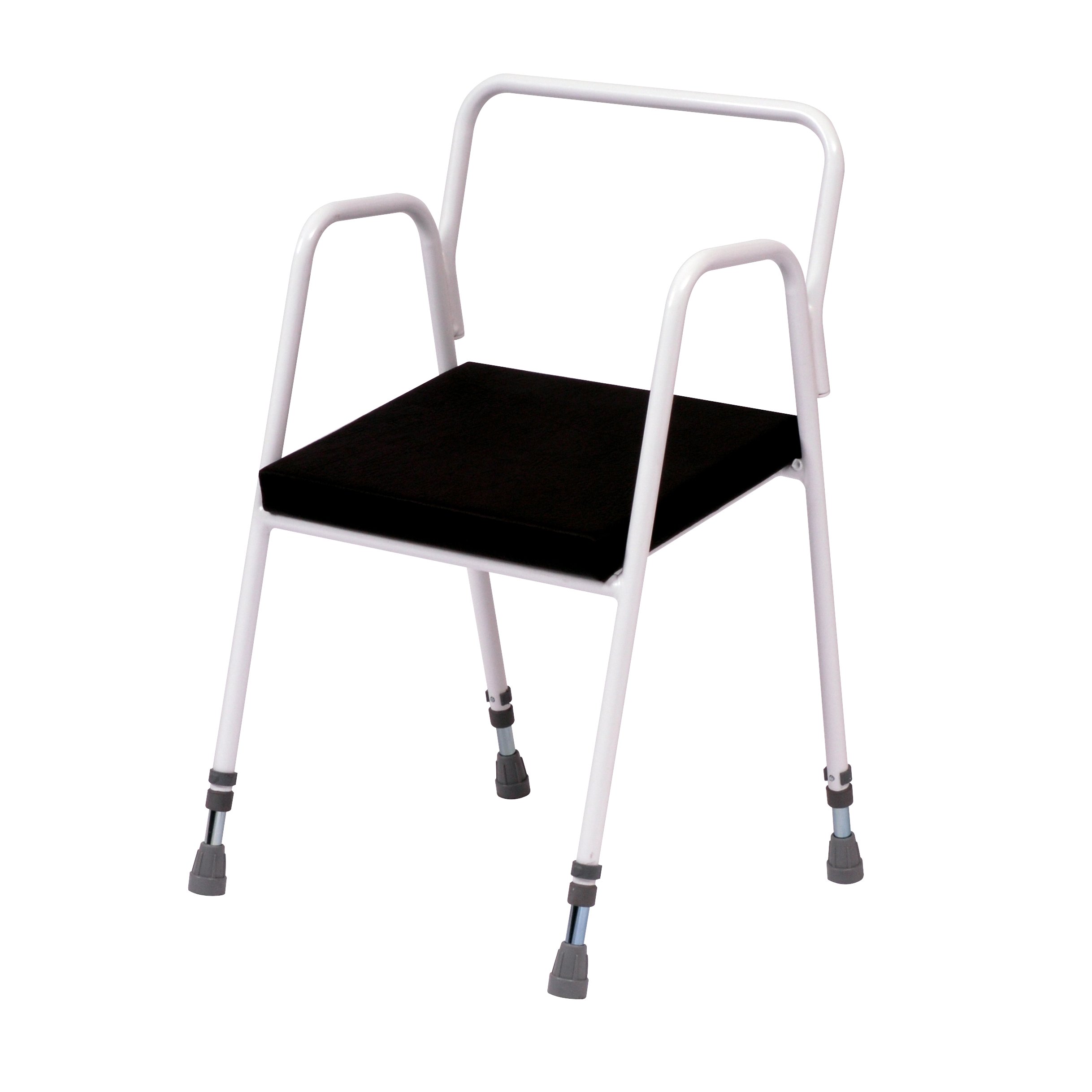
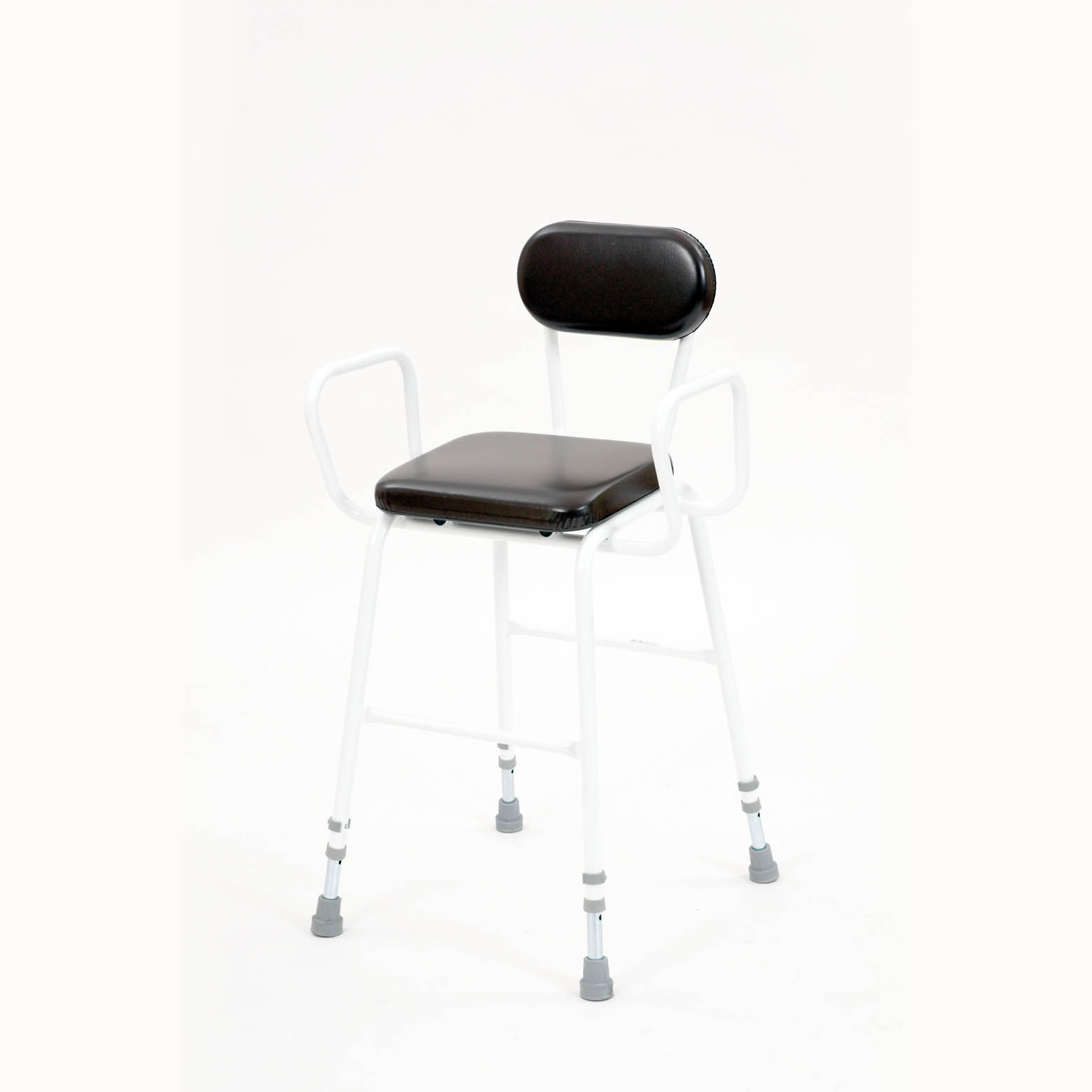
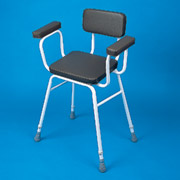
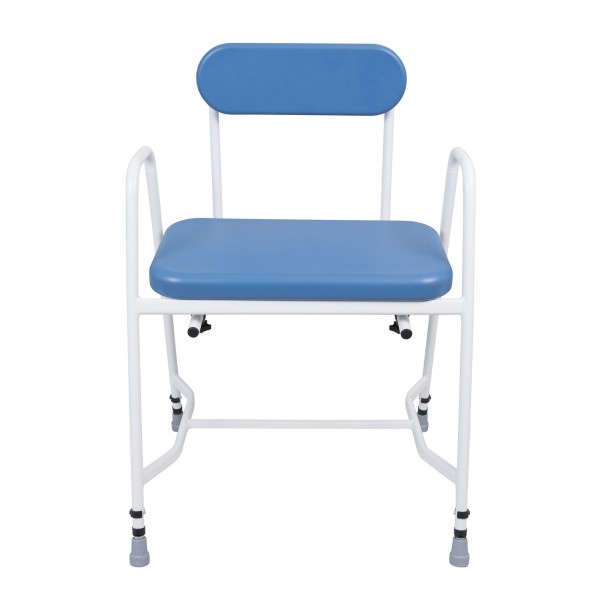
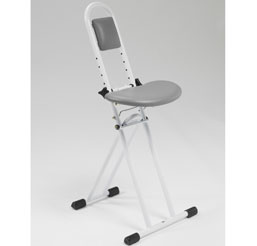
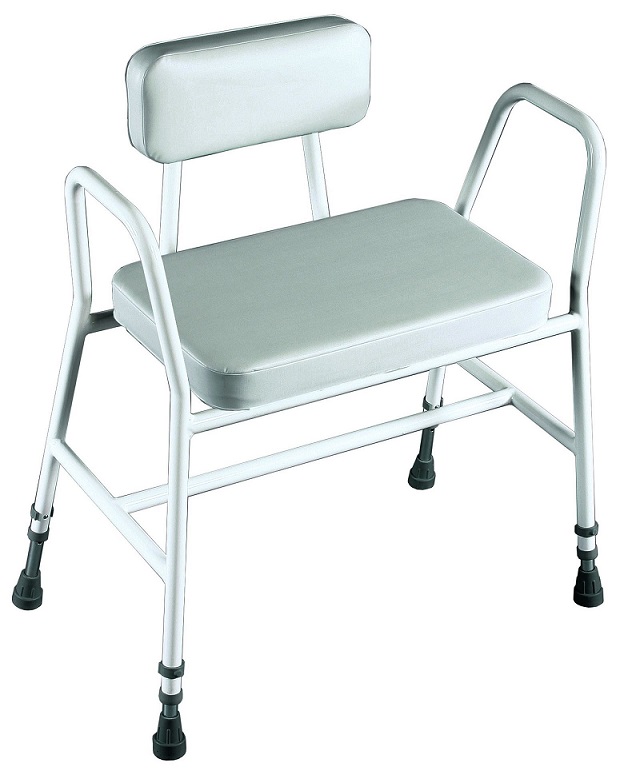
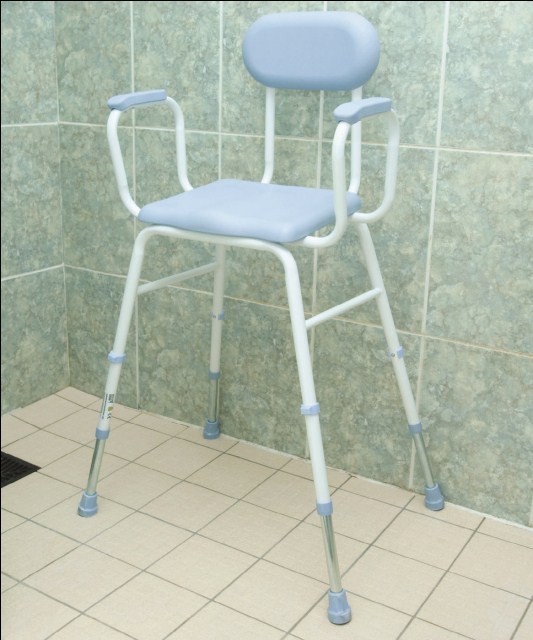
This section includes perching stools that position the user in a supported, semi-standing position. Some are designed to accommodate the size and weight of a heavier user,
Perching stools can be used in the kitchen and/or in the dry part of the bathroom. The design of the back, seat and arms determines the amount of support provided and the stability of the stool. The weight capacity, the actual weight of the product and the range of height adjustment varies with different models.
Need More Help?
If you know that there is a certain product that will help you, feel free to browse through our online catalogue or use our search tool for specific product names. National retailers are listed against each product and you can click on their link to go directly to their website to order that product or contact the retailer for more information. Don't forget to tell them you found their information on our site.


 back to top