Wall mounted rails
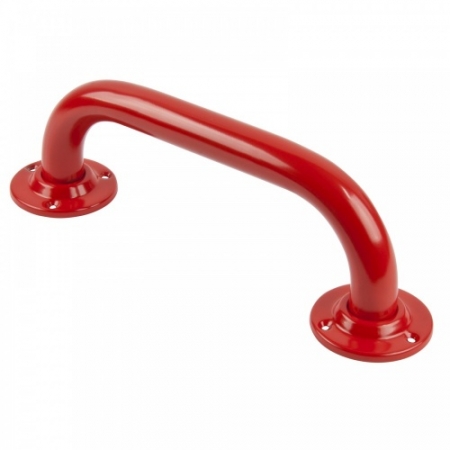
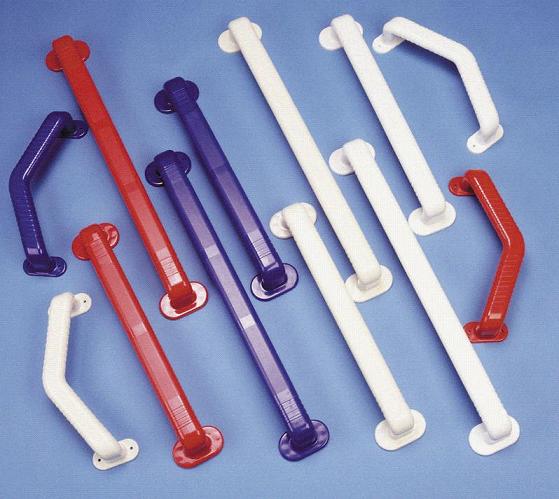
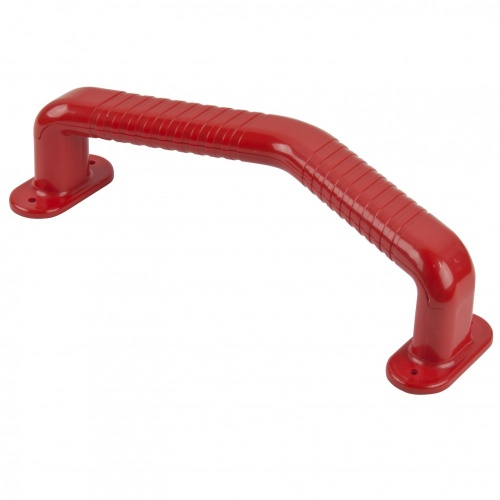
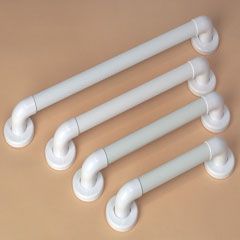
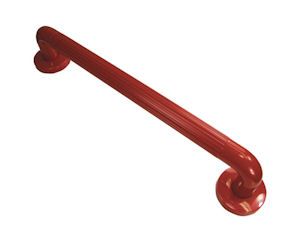
This section includes grab rails that are attached to the wall. They are available in a range of sizes, and the weight they can take depends on the strength of the wall. Some rails may be brightly coloured, which may help people with memory loss to identify them.
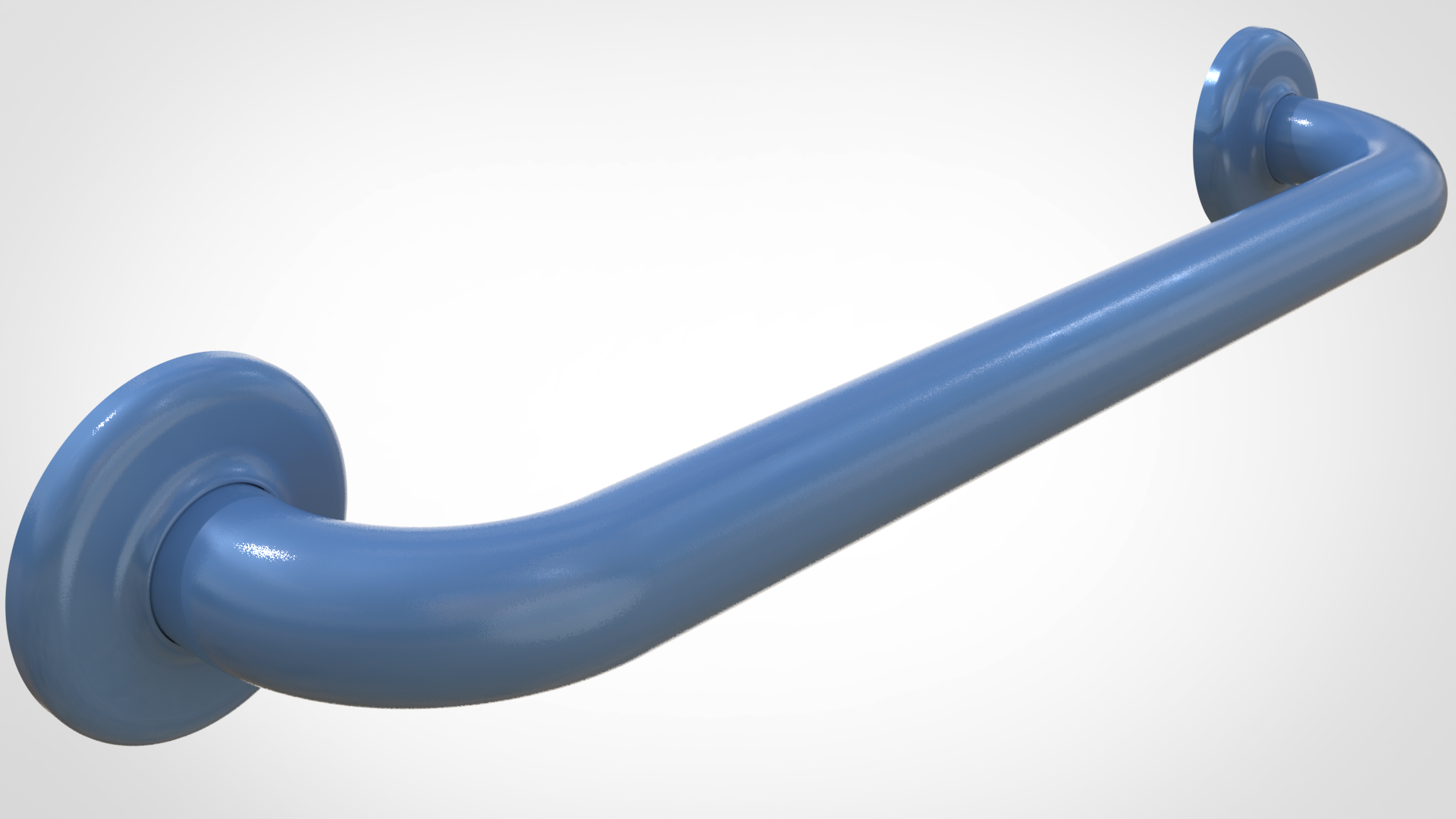
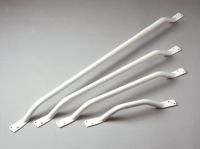
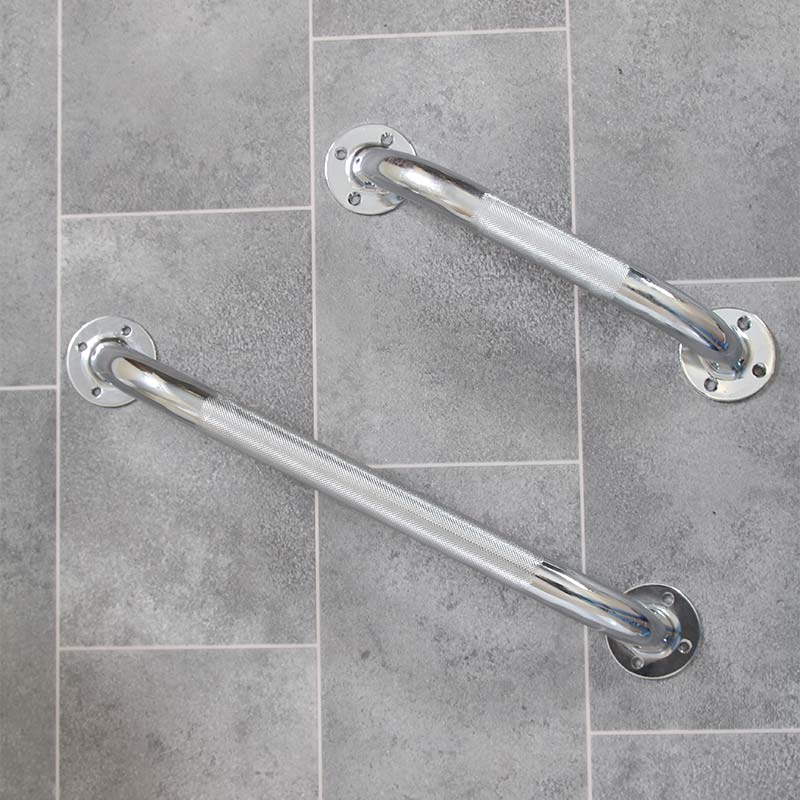
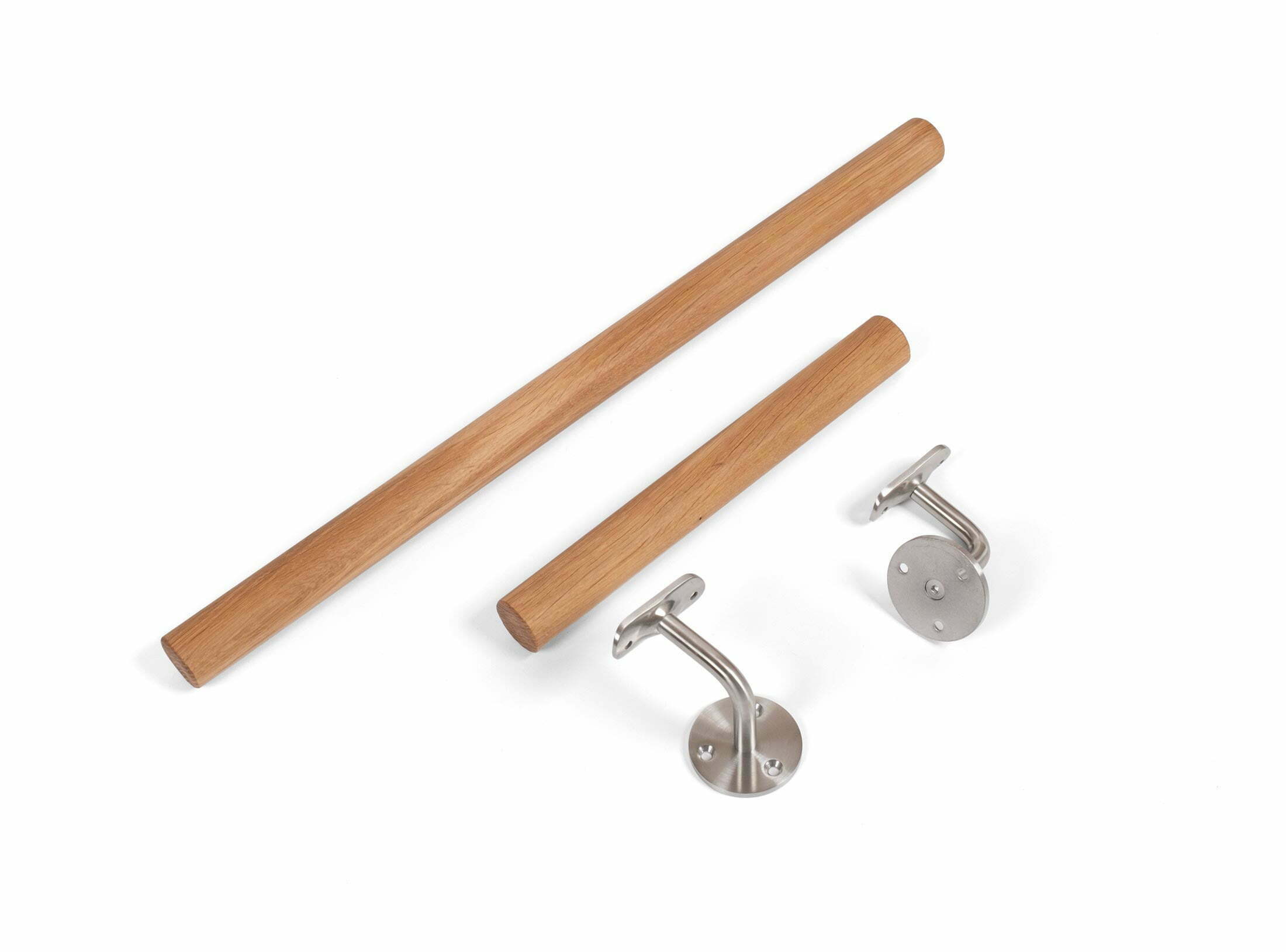
Standard rails are suitable for bathroom installation. They may be plastic, plastic coated with a metal core for reinforcement, stainless steel or chrome.
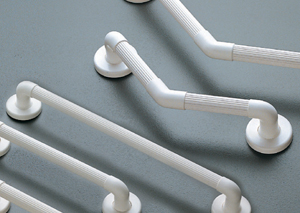
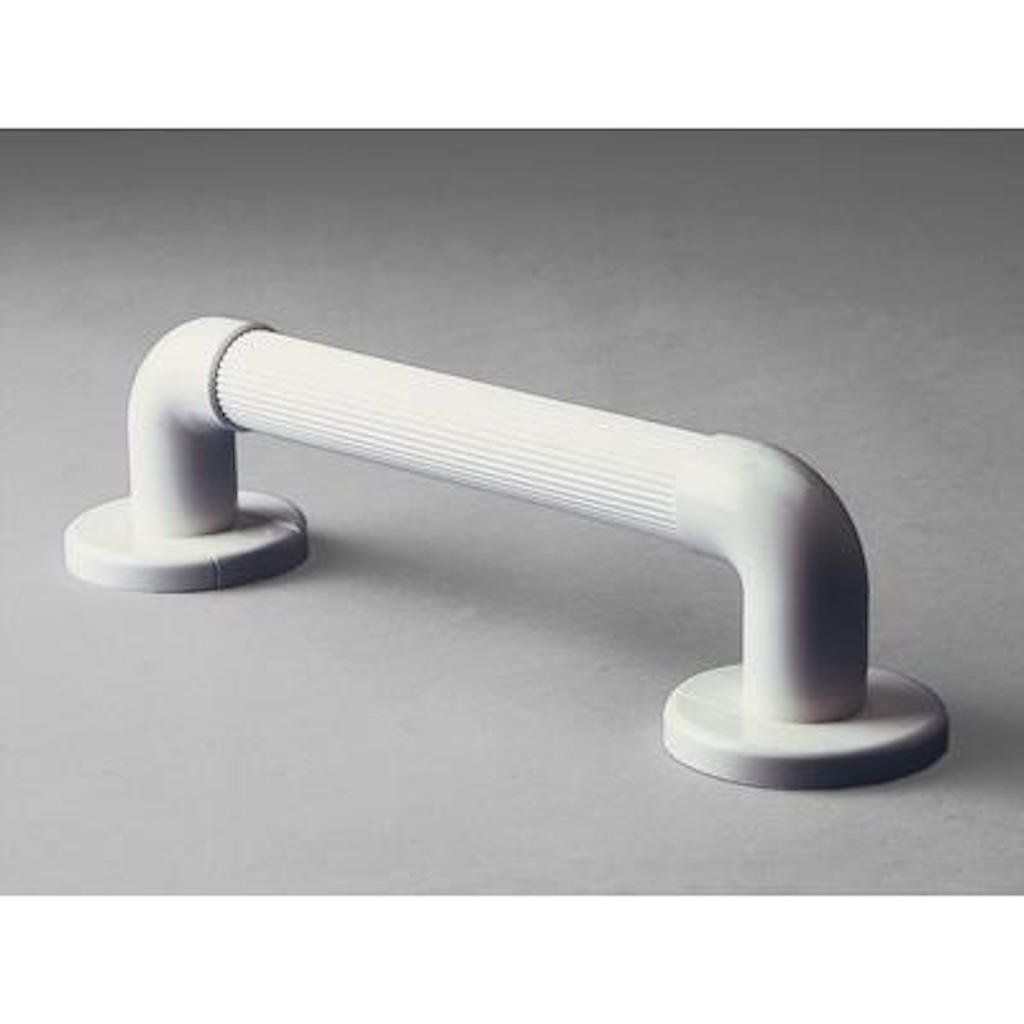
Contoured or ribbed rails are usually plastic or plastic coated with a metal core. Ribbed rails may also be referred to as fluted. They are useful for installation in bathrooms and shower areas. The additional grip is helpful for when hands are wet.
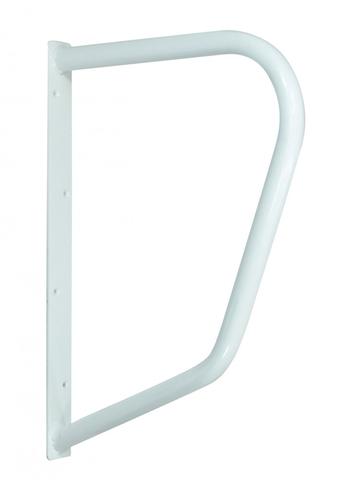
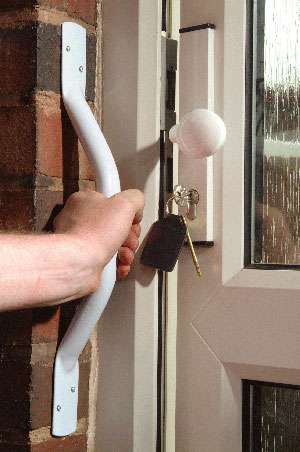
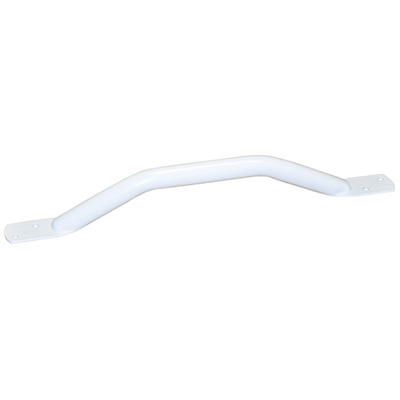
Offset rails are flat-ended steel grab rails set at an offset angle so the user can step up to and pass through a doorway without releasing their grip on the rail. Alternatively the rail is occasionally fitted the other way around with the handhold away from the doorway when a traditional straight grab rail would be too close to a door handle or lock.
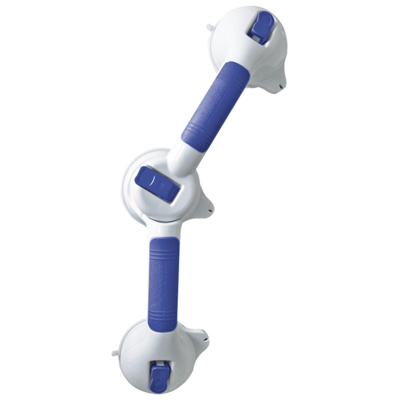
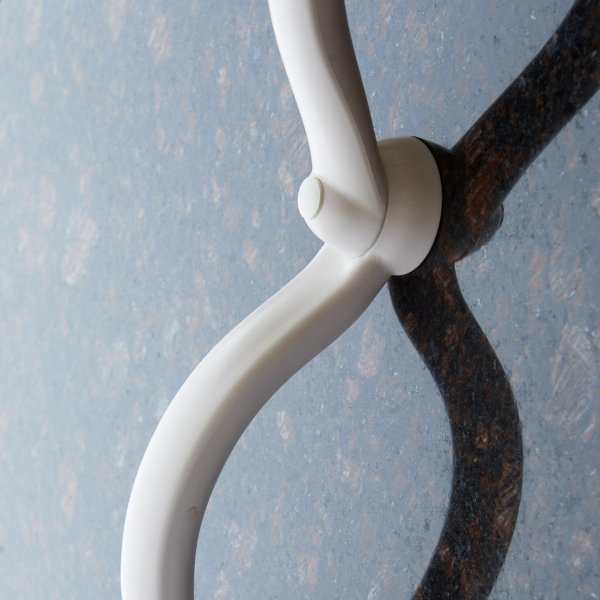
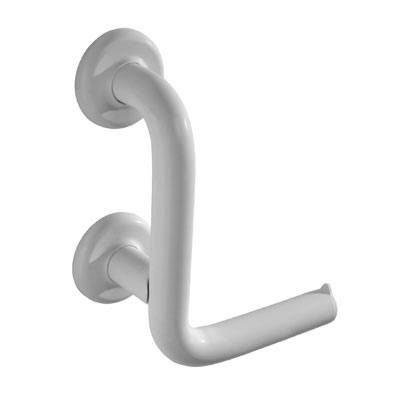
Angled rails are either right-angled or angled to another degree, often 135 degrees. They are plastic or plastic-coated with a metal core. Some are modular and as such, can be assembled in a suitable configuration for the individual.
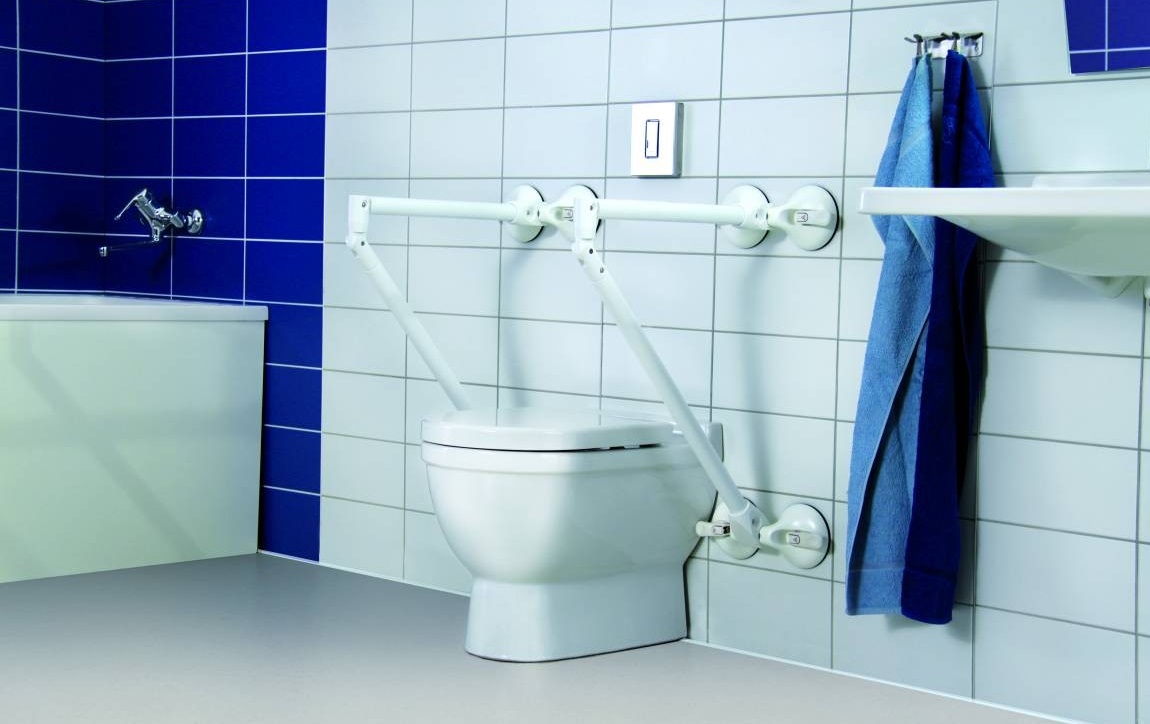
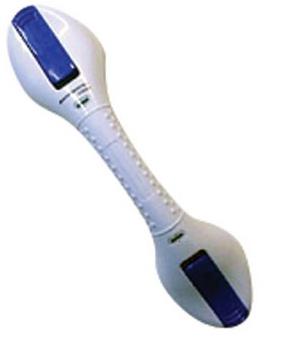
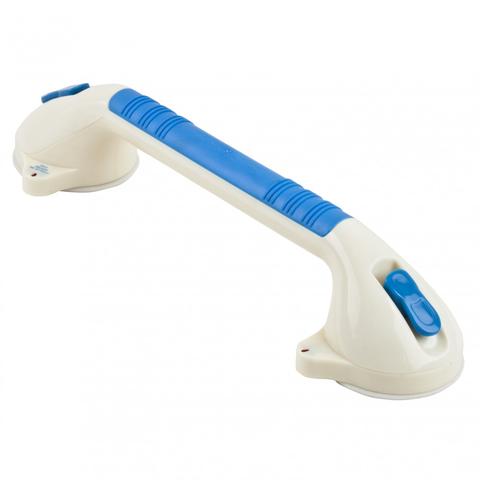
Suction rails have levers that depress to create a vacuum and then raise to break the vacuum seal. Some are adjustable in length which can be useful for travel purposes, or in situations when a rail cannot be fixed permanently.




 back to top