We are on a mission to maximise your lifestyle
From gardening to cookery, from cycling to photography when something gets in the way we have the gadgets to help. Try new things and find the useful stuff that helps you do it. Explore our directory, many of the items we list can be bought with a click and delivered to your home.

Adding life to years through practical advice
For over fifty years we’ve been providing impartial advice and guidance on aids and solutions for independent living. We want you to do what you want to do and not let practical barriers get in the way. Trust us to provide the widest source of information on gadgets, devices and equipment to keep you living your life.
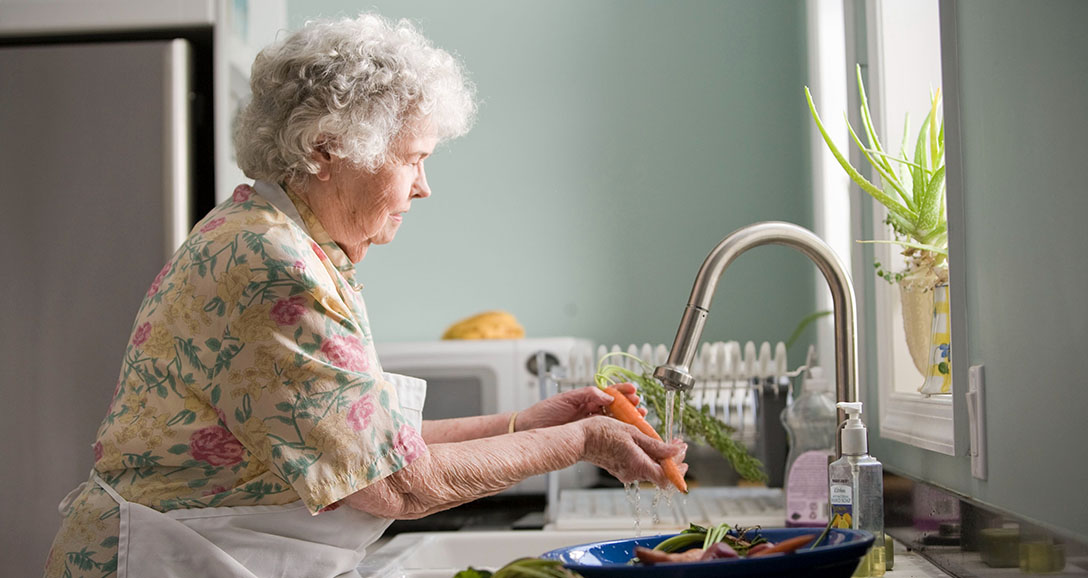
Seize the day
Unpaid carers are the hidden army enabling thousands of older and disabled people to live fulfilling lives. More than half of people using our information and advice are looking on behalf of someone and when they find that useful thing they always say "I wish I'd known that sooner".
Search now to find the latest solutions.



Latest News
We are exhibiting at this year’s Occupational Therapy Show!
Hints, tips and the latest ideas
The Digital Switchover: What You Need to Know
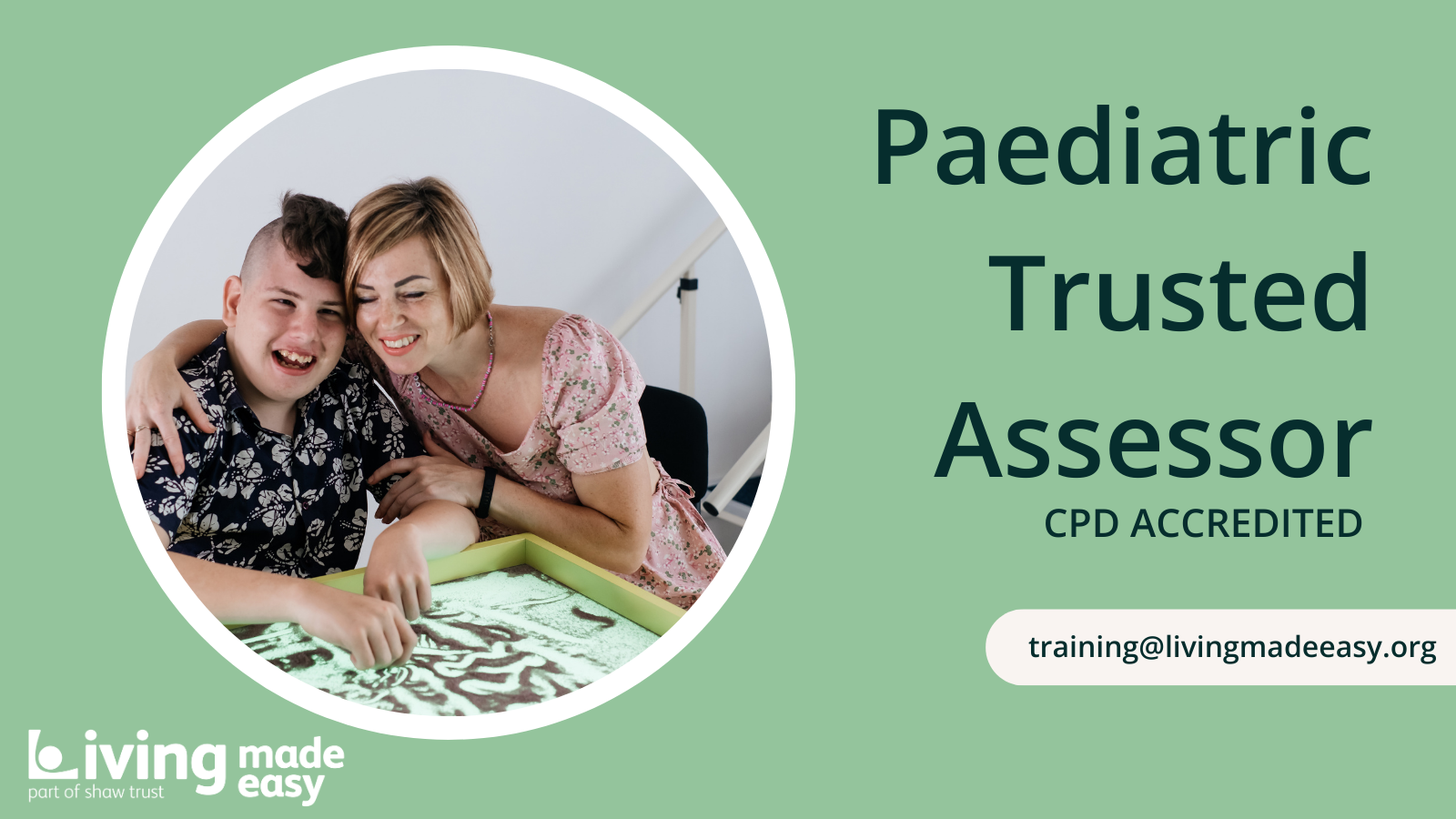
Enhance Your Skills in Supporting Children & Young People
Do you work with or care for children and young people who might need equipment or adaptations for daily living? Our Paediatric Trusted Assessor course is specifically designed to equip healthcare professionals and dedicated parents or carers with the necessary skills.
This unique dual qualification programme helps you confidently:
- Identify Needs: Learn how to accurately assess when adaptations are needed and measure correctly.
- Support Mobility: Master safe and effective methods for helping children move.
- Manage Risks: Understand how to conduct thorough risk assessments in paediatric settings.
- Navigate Funding: Gain knowledge on applying for relevant disability grants (like the Disability Funding Grant).
- Understand Regulations: Get up to speed on the legislation impacting paediatric assessments.
Upon completion, you'll receive both a CPD accredited Paediatric Trusted Assessor qualification and an OCN Trusted Assessor Level Four qualification.
Our blended course combines flexible online learning with vital hands-on practical sessions, led by experienced instructors delivering current best practices.
Ready to develop your expertise?
- View our training brochure here for full details.
- Email us at training@livingmadeeasy.org with any questions.


 back to top