Locks, chains and keysafes
This section includes equipment to lock and secure doors.
Touch bar and touch pad release locks open a door in a modified way, for example by reversing a wheelchair against a touch bar. Once open, the door automatically re-locks when shut. For security reasons, the locks are more suited to internal doors.
Coded, programmable and automatic locks are operated by remote control. These may be suitable substitutes for traditional locks for people who have reduced power or dexterity for key operation.
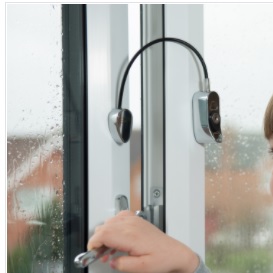
Bolts, locks and catches are available for exterior and interior doors, toilets and windows. Some locks have an emergency release mechanism.
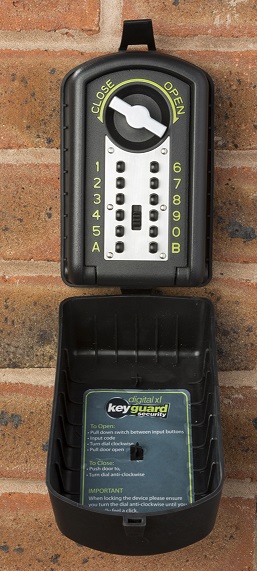
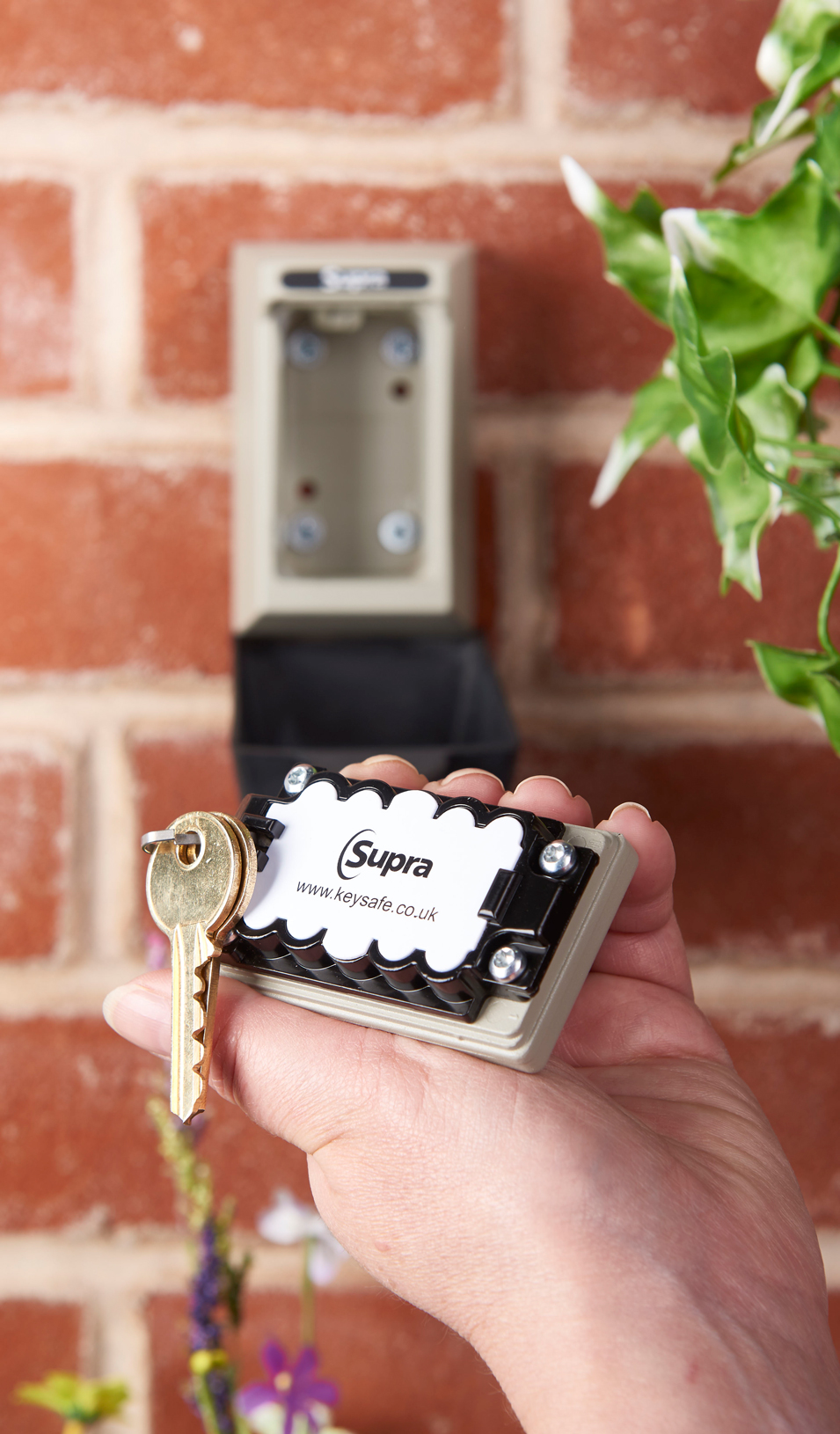
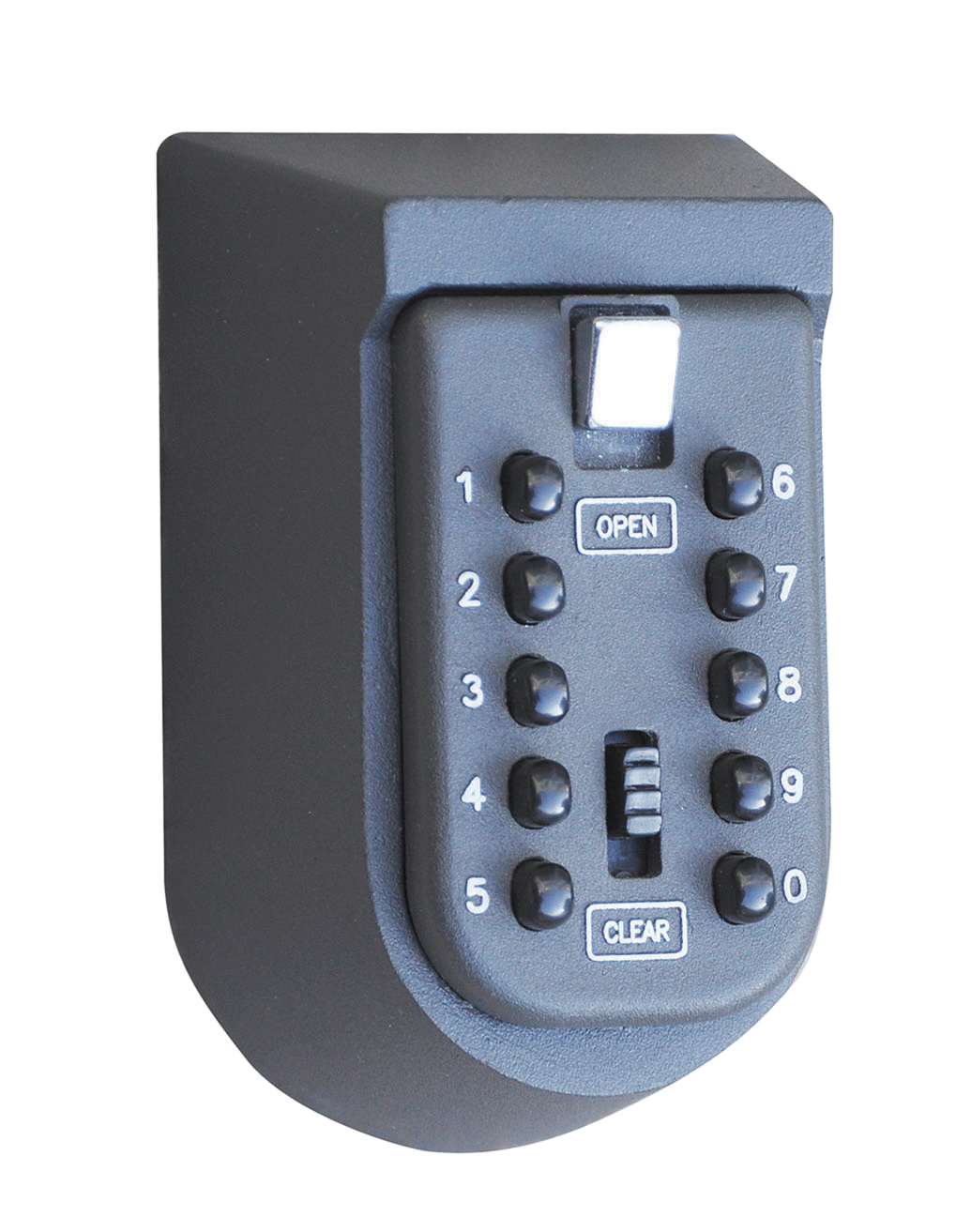
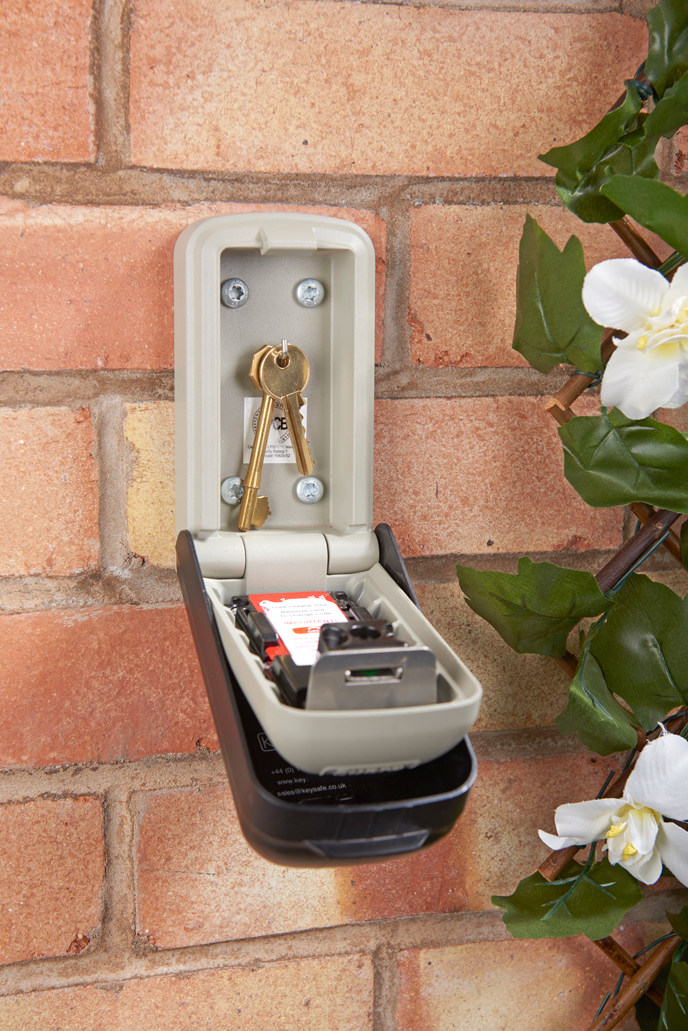
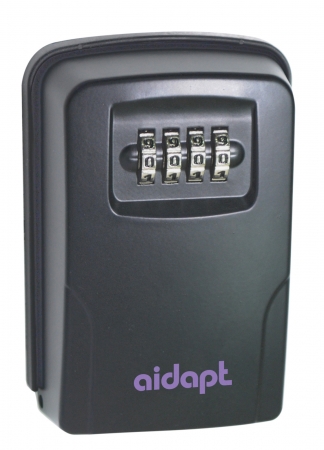
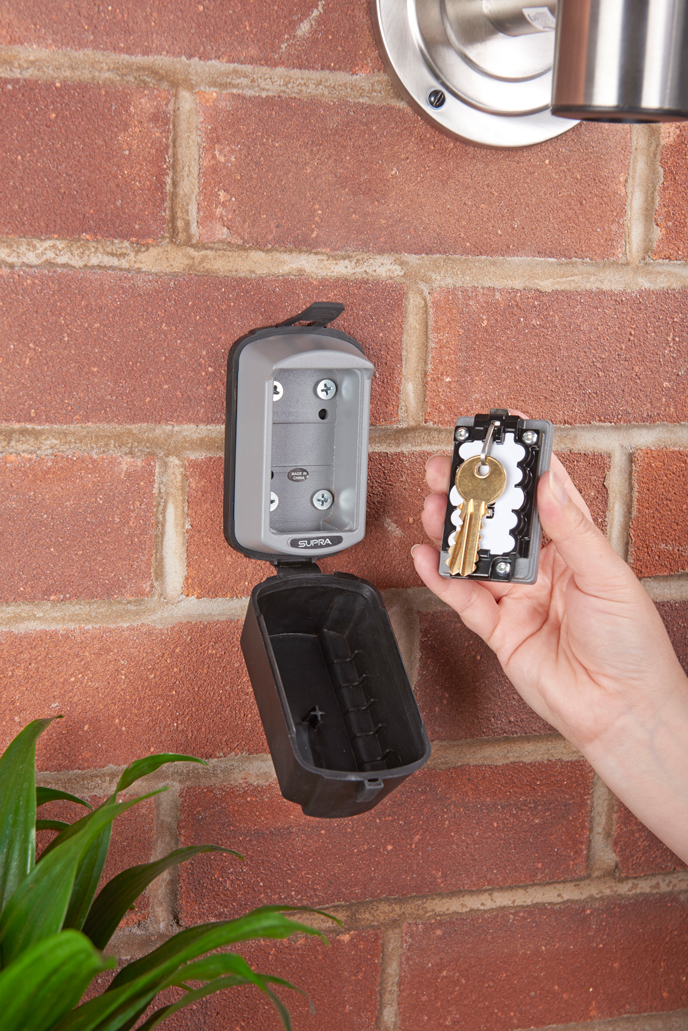
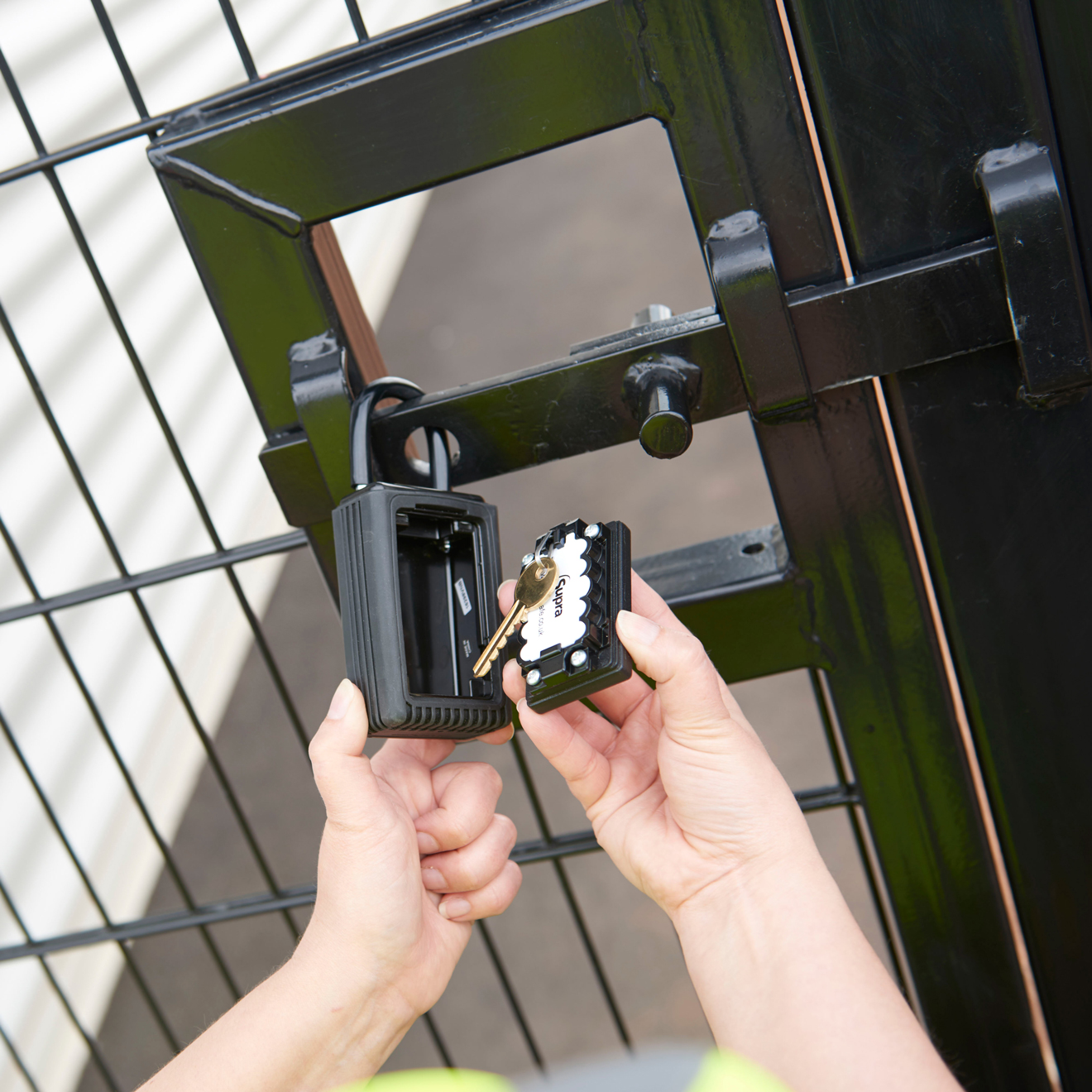
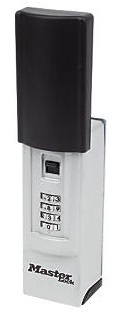
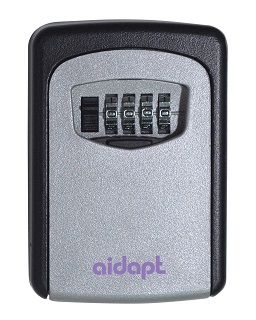
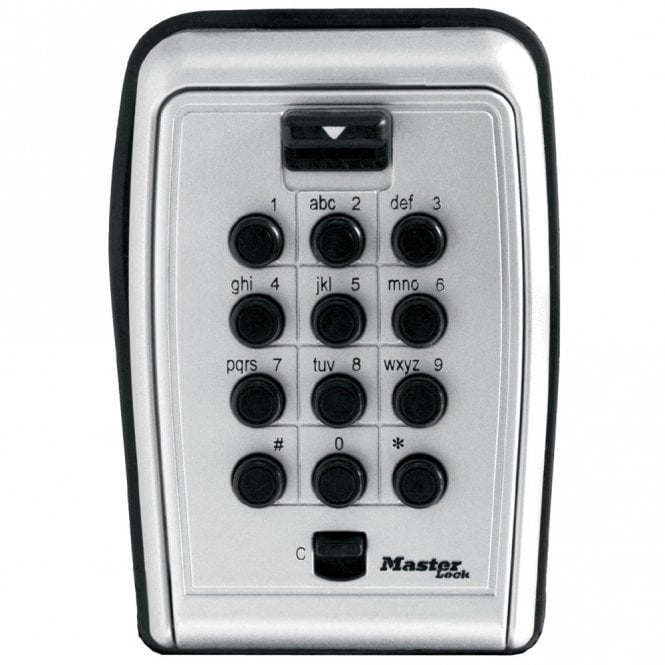
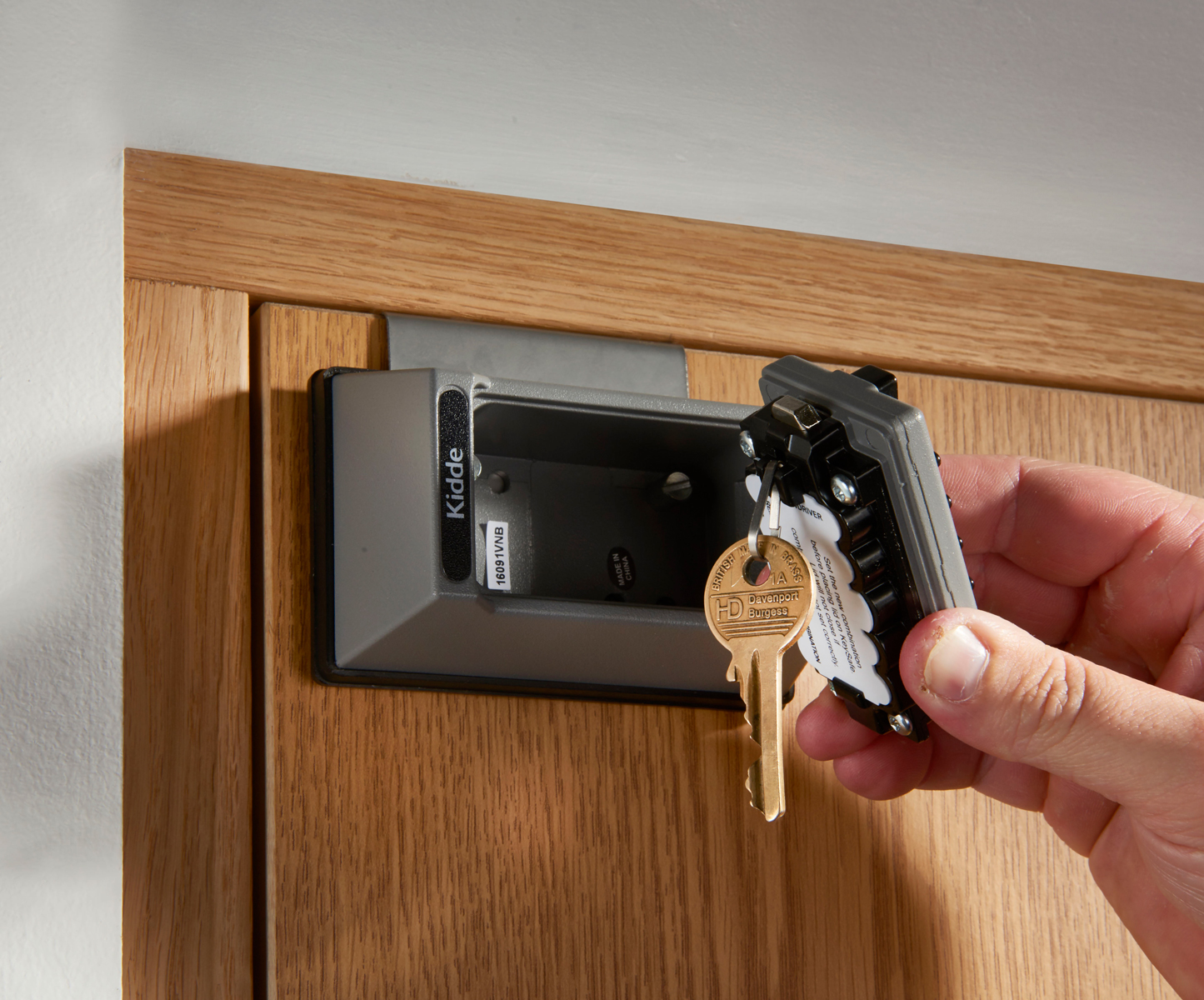
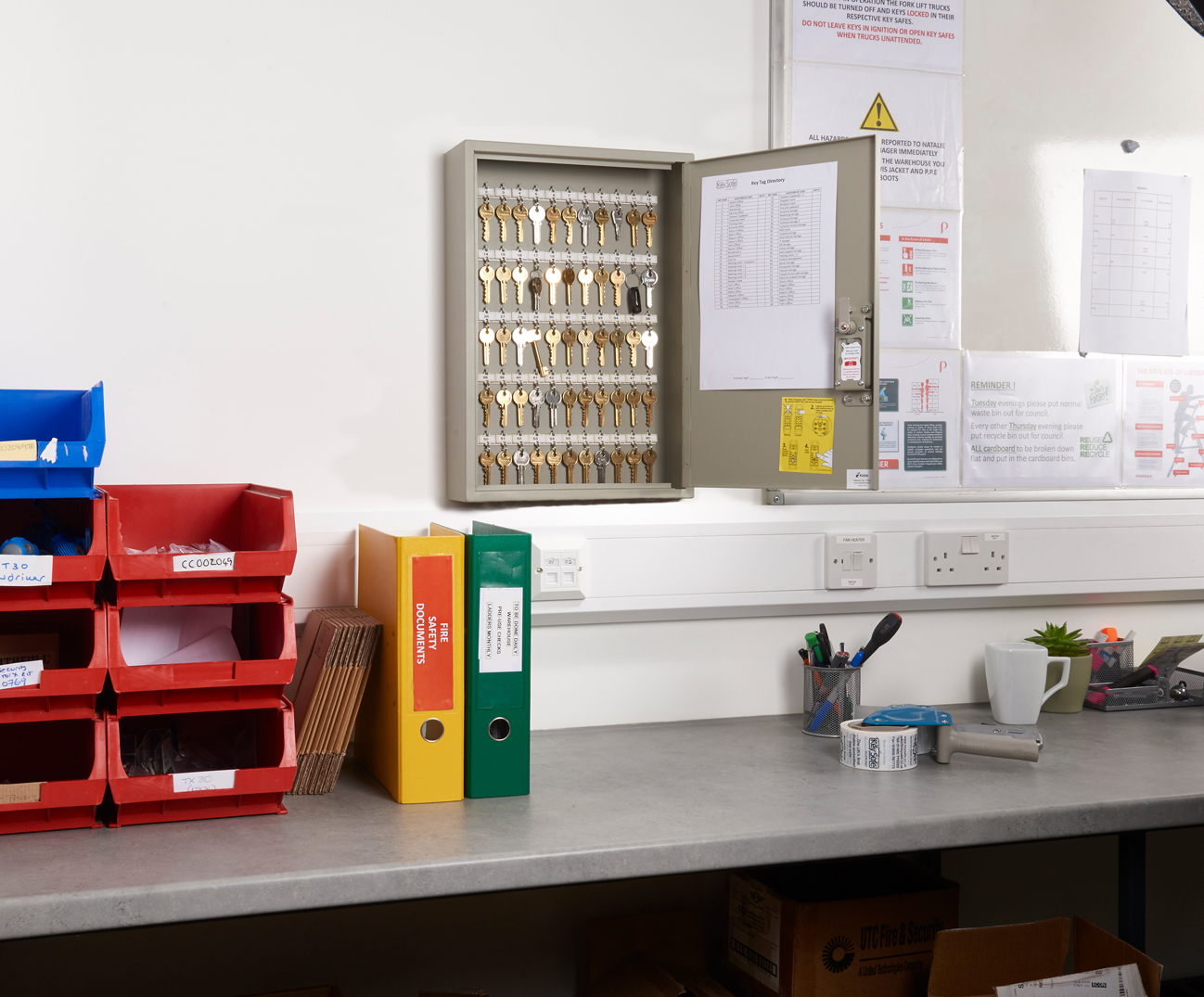
Key safes are secure metal boxes which can be secured next to the door. A single copy of the key/s are placed inside but can only be retrieved by someone who knows the correct code to open the box. Units can be wall-mounted, have a locking shackle or be or attached to the top of a door and kept in place by closing the door.
Safety chains which offer an alternative to conventional safety chains are also included.
Need More Help?
If you know that there is a certain product that will help you, feel free to browse through our online catalogue or use our search tool for specific product names. National retailers are listed against each product and you can click on their link to go directly to their website to order that product or contact the retailer for more information. Don't forget to tell them you found their information on our site.


 back to top